Game Concept

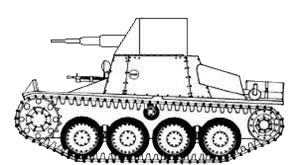
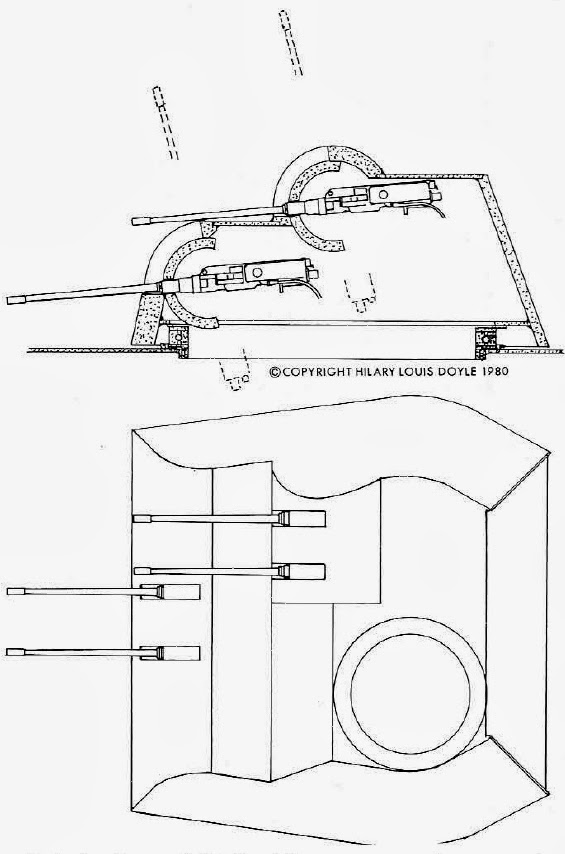
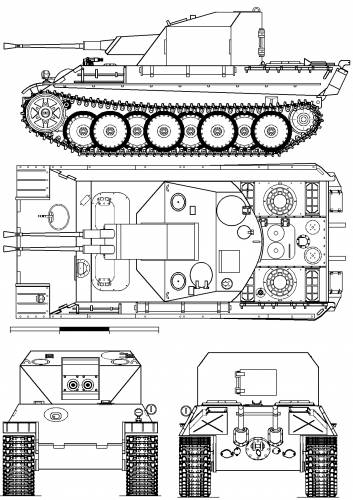
As the Luftwaffe (German Air Force) lost control over the skies over Germany in the second half of the Second World War, it could no longer provide sufficient protection against Allied aircraft. Panzer divisions were especially affected by the lack of cover from fighter aircraft because they were always at the center of the most intense fighting. The Germans already had copious amounts of half-tracked Self-Propelled Anti-Aircraft Guns (SPAAG) of different calibres and weights (Sd.Kfz.10/4, Sd.Kfz.6/2, Sd.Kfz.7/1, etc). As these vehicles had very limited or no armor, they were vulnerable to enemy fire either from ground or air. The crew needed better protection from small arms fire and artillery/mortar high explosive fragmentation shell shrapnel. A tank-based anti-aircraft vehicle (German: Flakpanzer) could solve this problem, as it would have sufficient armor to resist most ground attacks with the exception of larger caliber guns. They would also provide some protection against air attacks, but even tanks could be destroyed by air ground-attack fire.