Game Concept

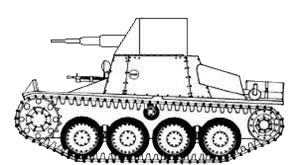
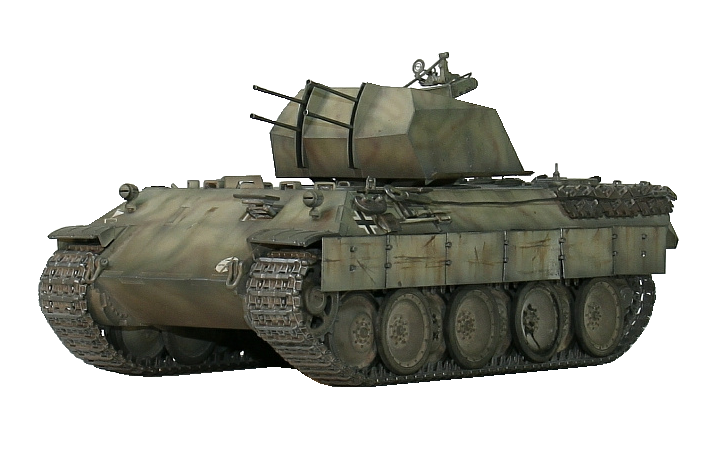
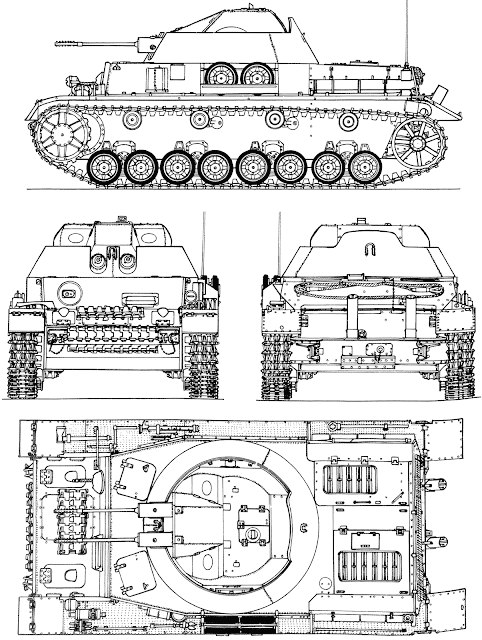
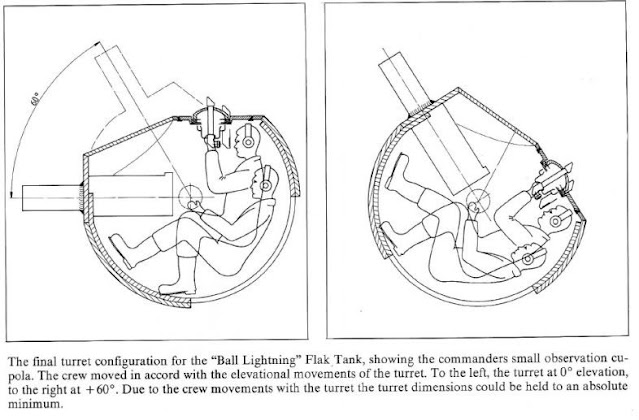
As the German Luftwaffe (German Air Force) lost control over the skies of Germany in the second half of the Second World War; it could no longer provide sufficient protection against Allied aircraft. Panzer divisions were especially affected by the lack of cover from fighter aircraft because they were always at the center of the most intense fighting. While the Germans already had copious amounts of half-tracked Self-Propelled Anti-Aircraft Guns of different calibers and weights (Sd.Kfz.10/4, Sd.Kfz.6/2, Sd.Kfz.7/1, etc), these had the significant flaw of being vulnerable to the planes they themselves were meant to protect against. A tank-based anti-aircraft vehicle (German: Flakpanzer) could solve this problem, but little effort was done in this direction. The first attempt was the Flakpanzer I, which was built only in limited numbers and was more an improvisation of an existing design rather than a purpose-built vehicle. The later 20 mm armed Flakpanzer models (Flakpanzer 38(t)) and the Wirbelwind) were built in some numbers but were considered unsuccessful, mostly due to the weak fire power of the 2cm Flak 38 by this late stage of the war. Larger caliber 37 mm (Möbelwagen and the Ostwind, based on the Panzer IV) armed models proved to be somewhat better vehicles but were not without flaws. The Mobelwagen required a long time to prepare for action, and the Ostwind was built in limited numbers and too late to have any influence on the War. Even the famous 88 mm anti-aircraft guns were installed on some fully-tracked and tank chassis’, but again only in very limited number. These anti-aircraft vehicles’ main problem was the lack of a fully enclosed crew compartment. This issue was to be solved by the production of a new vehicle with a fully enclosed turret, the Leichte Flakpanzer IV 3 cm but mostly known by as ‘Kugelblitz’.